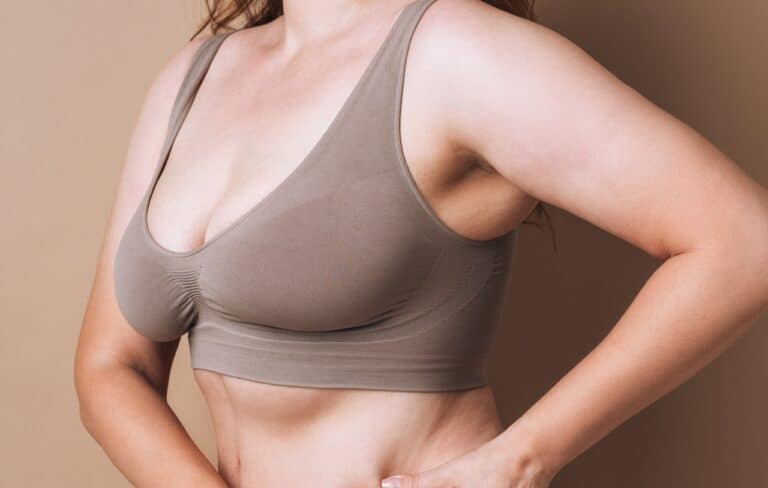
If you feel self-conscious about the size of your breasts or notice daily discomfort, you may have searched for ways to achieve relief. Many people ask our team at the New Jersey Breast Reduction Center about natural approaches to reducing breast size, particularly whether specific exercises can truly make a difference.
While exercise will not shrink breast tissue directly, it can help sculpt the chest and enhance overall well-being. A clear look at the facts and myths around ‘breast reduction exercises’ is an essential first step before you address your concerns. Let’s look closely at what our surgeon and medical staff want you to know.
Key Takeaways
How Breast Size and Fat Distribution Work
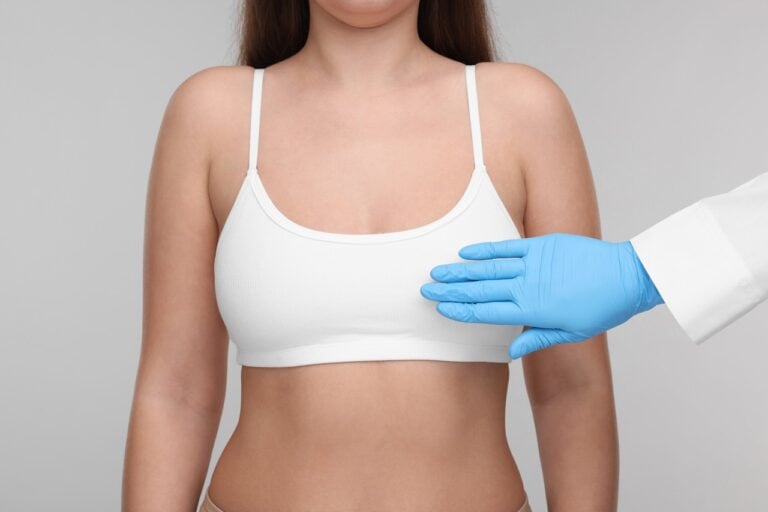
Genetics, hormones, and body fat all influence the shape and size of your breasts. While breast tissue is partly made up of fat, it also contains dense glandular tissue that does not shrink easily with exercise alone.
Breast Composition Matters
The composition of your breasts determines how much size may change with exercise or diet. If your breasts have more fat tissue, major weight loss can reduce some volume. However, if you have denser glandular tissue (which is common), even a strict workout routine will have little impact on breast size.
Hormonal changes, like those during pregnancy or certain life stages, may also affect breast size. Many women notice their breasts grow or shrink slightly over the years in response to weight fluctuations and hormones.
The Myth of Spot Reduction
Many people hope to “burn fat” in just one part of the body, but research shows that spot reduction does not work. Fat loss happens across the body as a whole. This means that no matter how many chest exercises you perform, you will not specifically lose fat from your breasts alone.
Improvements in chest muscle strength may change the shape or firmness of the upper body, creating a lifted appearance. However, this is different from real breast size reduction.
The Role of Exercise in Chest and Body Changes
Exercise supports your overall health and confidence, while also helping improve posture and tone around the chest area. Many people seek chest-specific workouts with hopes to modify breast size, but it is important to set realistic expectations.
Different Types of Exercises
The right kind of exercise can help you feel stronger and more comfortable. While these activities may not shrink breast tissue, they create positive changes throughout the body.
Strength Training for the Chest
Engaging the pectoral muscles with resistance exercises like push-ups, chest presses, and dumbbell flyes can build muscle under the breasts. This may create an appearance of a lifted, firmer chest. However, a noticeable reduction in breast size is unlikely because muscle grows underneath the breast tissue, not inside it.
Aerobic and Cardio Workouts
Activities like swimming, running, and cycling elevate your heart rate, which helps with fat loss throughout the entire body. As your body fat percentage drops, some women with more fatty tissue in their breasts may notice small decreases in volume. Keep in mind, this change is gradual and is not always dramatic.
Yoga and Posture-Based Routines
Yoga, pilates, and posture exercises build core and upper back strength, relieve tension, and support better body alignment. Improving posture can sometimes create the appearance of smaller, higher breasts because the chest is lifted, and the back is straighter. This boost in confidence and comfort matters for many patients.
Exercise’s Impact on Breast Symptoms
Many patients tell us that upper body workouts may help relieve back, neck, and shoulder pain associated with large, heavy breasts. Toned upper body muscles carry more of the chest’s weight, and improved posture eases tension in the neck and spine.
Exercises Commonly Believed to Reduce Breast Size
Some individuals search for workouts claiming to shrink the breasts naturally. Our surgeon wants you to recognize which exercises improve comfort and which expectations may need adjustment. Here are several exercises commonly associated with breast size reduction and what they actually do:
- Push-Ups: Push-ups engage the chest, arms, and shoulders. They develop the pectoral muscles, which can support the chest, but do not shrink fat tissue in the breasts.
- Chest Press: Using weights or machines, chest presses build and tone the muscles under the breasts, creating more definition and a potential subtle lift.
- Dumbbell Flyes: This movement stretches and contracts the chest muscle and aids with muscle endurance, but any visible change appears only in the muscle, not the breast tissue itself.
- Cardio Activities: Routines like running, brisk walking, and aerobics help reduce overall body fat, which may gently reduce fatty breast tissue in some patients but only as part of overall weight loss.
While these exercises help you feel stronger, adjust expectations around breast size changes. Strength and fitness tend to be the primary benefits.
What Really Influences Breast Size
Your body’s tendency to store fat and maintain certain breast volume depends on several factors, which explains why exercise alone rarely creates dramatic breast size changes. Patients make decisions with total clarity once they take these influences into account.
Genetics Set Your Baseline
Some women are genetically more likely to have larger breasts, independent of body weight or activity level. Genes also determine where fat loss occurs most readily in your body, which explains why some notice changes in their thighs or abdomen before seeing changes in the breasts.
Hormones and Life Stages
Hormonal shifts during puberty, pregnancy, breastfeeding, and menopause affect breast volume. Fluctuations may temporarily increase or decrease breast size, but these changes are usually unrelated to exercise efforts.
Age and Skin Elasticity
As you age, breast size and shape may shift due to skin elasticity loss and natural changes in tissue composition. While exercise may slow this process or help compensate with muscle support, it cannot prevent age-related changes entirely.
Can Diet or Supplements Help Reduce Breast Size?
Some patients ask our doctor if changing their diet will shrink their breasts. When weight loss is gradual and achieved healthfully, some reduction may happen, especially in breasts comprised of more fatty tissue. However, most women observe only modest changes, and crash diets or supplements do not work specifically for breast size.
Eating a balanced diet, monitoring portion sizes, and supporting a healthy metabolism may help in controlling overall weight. At the New Jersey Breast Reduction Center, our medical team prioritizes safe, sustainable approaches rather than quick fixes that promise miracle results but do not deliver.
Supplements and herbal products marketed for “natural breast reduction” have not proven effective, and some may even carry risks. Speaking with a medical professional before making changes to your routine always yields safer and more effective outcomes.
When to Consider Surgical Breast Reduction
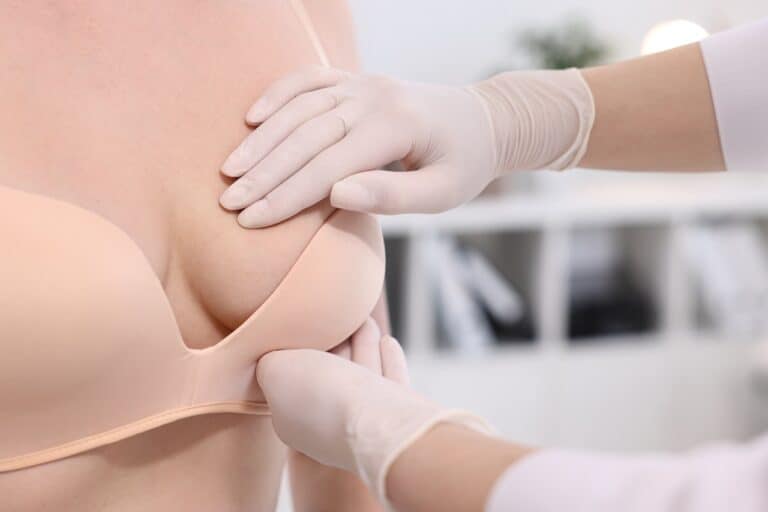
If large breasts cause you pain, limit your activities, or negatively affect your body image, exercise and lifestyle changes may only offer partial relief. Surgical reduction provides real, measurable results. Here are several reasons patients may pursue surgical solutions after trying other methods:
- Persistent pain: Ongoing back, neck, and shoulder pain disrupts daily life, making it important to seek medical care.
- Difficulty exercising: Physical activity may feel challenging due to breast size or discomfort.
- Skin and posture issues: Chronic skin irritation, rashes, or poor posture become concerns that exercise alone cannot resolve.
- Self-esteem impact: Large breast size might create social or body confidence struggles, which surgery can improve significantly.
At our practice, our surgical team evaluates each patient to determine if breast reduction surgery is the best solution. Candid conversations like breast reduction coverage help tailor a plan that aligns with your body and goals.
Surgical options include traditional breast reduction (reduction mammaplasty), liposuction-based techniques, and combined approaches. The right choice depends on your anatomy and desired outcome.
Benefits and Limitations of Breast Reduction Exercises
Patients at our New Jersey office often want honest answers about what to expect from a workout routine focused on the chest. Knowing the distinct benefits and limitations helps you make smart choices for your health and comfort.
Benefits of Exercise for Large Breasts
Several meaningful advantages come from strengthening the upper body, regardless of whether breast size changes.
- Pain relief: Stronger back and chest muscles stabilize the upper body, which can decrease pain.
- Improved posture: Better muscle tone supports the spine, which reduces hunching or strain from heavy breasts.
- Boosted confidence: Feeling stronger and more comfortable in your body brings a renewed sense of self-assurance.
- Mobility support: Enhanced endurance and function encourage participation in more activities.
These improvements hold value for many individuals, even when breast size itself stays the same.
Limitations of Exercise for Reducing Breast Size
Despite these health gains, patients need to recognize important limitations.
Exercise will not remove glandular or fibrous tissue, which makes up a large portion of many breasts. Breasts may appear larger temporarily as chest muscles strengthen beneath existing breast tissue. No exercise can specifically target only the breast area for fat loss.
If a significant breast size reduction is your main priority, surgery remains the only reliable and predictable solution.
Combining Exercise and Medical Support
For many patients, the best approach involves blending healthy movement habits with professional medical guidance. Taking these steps helps clarify your options and ensures that you meet both your physical and emotional goals.
Building a Realistic Exercise Routine
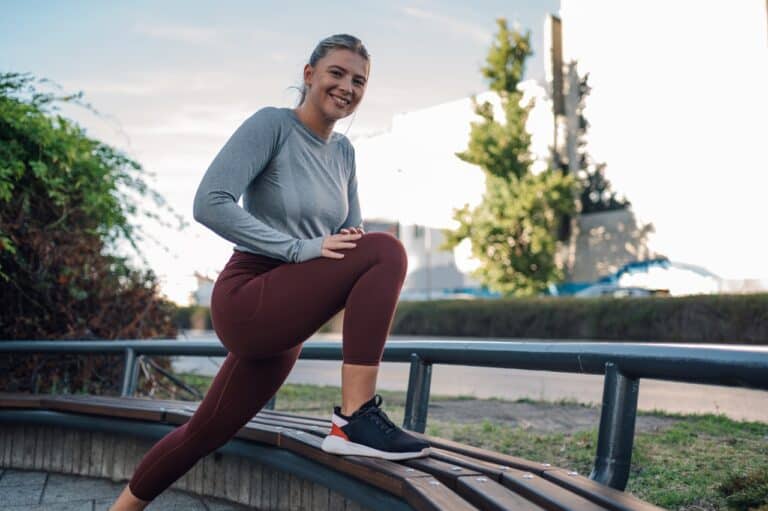
A good exercise plan focuses on overall body strength, posture improvement, and endurance rather than just chest-focused movements. Combining aerobic exercise with routines for the core, shoulders, and back supports your frame as a whole.
Wearing a supportive sports bra remains vital throughout. This reduces discomfort and helps prevent breast-related skin and back issues during movement.
When to Reach Out for a Medical Consultation
If you experience significant discomfort, physical symptoms, or emotional distress connected to breast size, a physician consultation is the next step. Our doctor can assess your health, listen to your concerns, and guide you honestly regarding what is possible through exercise versus what may require surgery.
Together, you and our medical team can weigh the benefits of exercise, the expected outcomes, and when to consider surgical reduction as the best path forward.
Make Informed Choices About Breast Reduction
Finding real answers about the effects of exercise on breast size can be confusing, with so much advice available online and in the media. Our team at the New Jersey Breast Reduction Center wants you to have honest information and support as you navigate your decisions.
Although exercise alone does not directly shrink breast tissue, it plays an important role in overall comfort, pain relief, and body confidence. By understanding true expectations, you can focus on safe, healthy routines that help you feel better physically and emotionally.
If you have struggled with symptoms tied to breast size or want to discuss long-term solutions, our surgeon is available to answer questions, including breast reduction costs and insurance coverage, and help you decide whether surgical reduction is right for you. Reach out to the New Jersey Breast Reduction Center today to schedule a consultation and take control of your health and comfort.