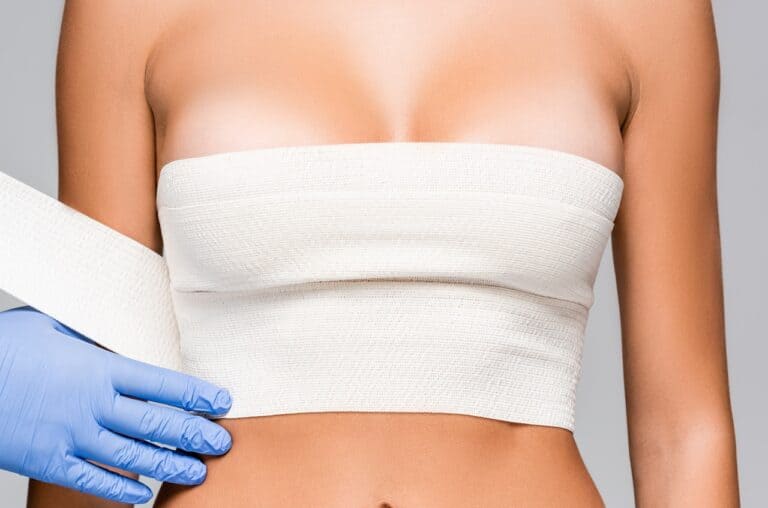
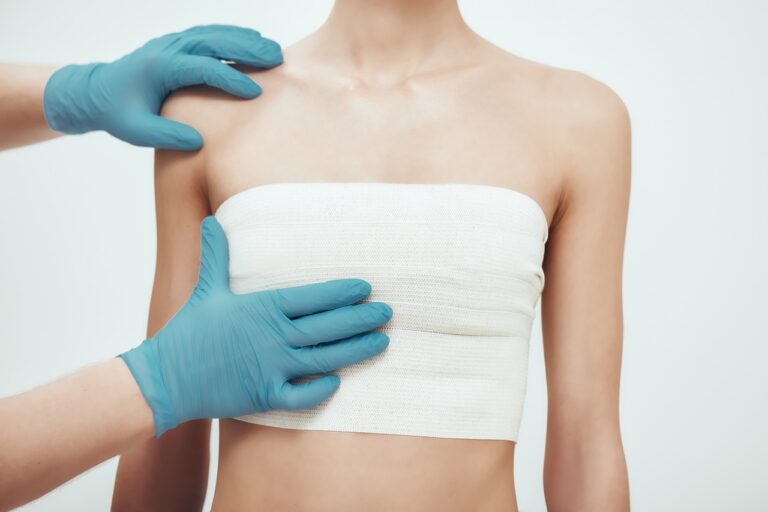
At the New Jersey Breast Reduction Center, our surgeon understands how life-changing breast reduction surgery can be for many women. Patients often ask about drains and their role during recovery, which can feel like an unfamiliar and even intimidating topic.
Whether you are considering breast reduction or preparing for your upcoming procedure, understanding every step can help you feel more confident and prepared. In this article, our surgical team explains what you need to know about breast reduction drains, the process, and how they support safe healing and optimal results.
Key Takeaways
Overview of Breast Reduction Surgery and Drains
Breast reduction involves removing extra breast tissue, fat, and skin to create a smaller, better-proportioned breast shape. Most patients experience relief from discomfort and an improved sense of confidence after this surgery.
Why Fluid Builds Up After Surgery
Surgery leaves behind small spaces inside the breast tissue where fluid can accumulate as blood or serous fluid, which naturally oozes after tissue removal. Without a way to drain this fluid, swelling and complications like seromas or hematomas become more likely.
How Drains Support Healing
Drains provide a safe pathway for fluids to exit the body, reducing swelling and minimizing the risk of infection. These thin silicone or plastic tubes help maintain a tidy surgical area and allow the breasts to heal without pressure building up under the skin.
Our surgeon at the New Jersey Breast Reduction Center decides whether drains are necessary based on your anatomy, the amount of tissue removed, and your personal risk factors.
What Are Breast Reduction Drains?
Breast reduction drains are soft, flexible tubes that temporarily exit the surgical area through a small incision. These tubes connect to a small bulb or reservoir outside the body, which gently collects excess fluid until your body heals enough to stop producing it.
Types of Drains Used
Our doctor typically uses closed-suction drains, which are safe and reliable for breast reduction. These include:
- Silicone Jackson-Pratt drains
- Soft plastic Blake drains
Both types help limit the risk of leaks, contamination, and discomfort. Our team will choose the style and size based on the particulars of your breast reduction procedure.
Step-by-Step: How Breast Reduction Drains Are Placed
Patients often want detailed information about what to expect during breast reduction surgery. Our surgeon always explains the process so you can feel informed:
- Drain Placement: After the removal of breast tissue, the surgeon places the drains inside the breast pocket. The tips rest near the area most likely to collect fluid.
- Tube Exit: Each drain exits through a tiny incision, usually near the side of the breast or under the fold, so that visibility and scarring remain minimal.
- Reservoir Connection: The tubes attach to a bulb, which functions as a gentle suction device for drawing out the excess fluid.
- Securing the System: Our surgical team uses sutures or tape to keep the drains stable and prevent accidental pulls.
After surgery, the drains are active as soon as the wound is closed, supporting a safe and effective recovery in the first critical days.
Benefits and Limitations of Drains in Breast Reduction
Many patients hope to avoid drains, while others feel reassured knowing they help manage fluid. Our doctor weighs the pros and cons for each person:
Advantages of Using Drains
- Lower risk of fluid buildup helps prevent painful swelling and pressure.
- Enhanced healing since the fluid is not allowed to stagnate underneath the skin.
- Easier monitoring, as the drain output can reveal early signs of complications.
Possible Drawbacks
- Temporary discomfort is normal, and the drains require regular cleaning.
- There is a slight infection risk where the tube exits the body.
- Not every patient needs drains, and some modern techniques may reduce their necessity, depending on your procedure.
Our goal is always to maximize safety and comfort for every patient while explaining the reasons behind drain decisions for your peace of mind.
Caring for Your Breast Reduction Drains at Home
Proper care helps prevent infection and keeps your recovery process on track. Our practice provides detailed demonstrations and written instructions before discharge, and you can always contact our team with questions.
Daily Drain Management
You should measure and record the amount of fluid in each bulb every six to eight hours, noting the color and volume. Use a clean measuring cup for accuracy and keep your log in the booklet we supply.
Empty the bulbs before they reach the halfway mark to keep suction working. Always squeeze the bulb flat before attaching it to the drain tube again, which helps maintain gentle suction.
Cleaning and Site Care
You need to wash your hands thoroughly before touching your drains or the area near your incisions. Cleanse the skin around each tube’s exit site as directed with mild soap and water, then gently pat dry.
Check for redness, swelling, or discharge each day, and contact our New Jersey office if you see anything unusual or feel unwell.
Dressings and Comfort Tips
Wear loose, comfortable tops during your recovery, as these make room for drain bulbs without irritation. Secure the bulbs inside a soft pouch, sports bra, or waistband provided to minimize pulling or discomfort.
Sleeping on your back with extra pillows can help, especially during the first few nights after surgery.
Common Concerns and Questions About Drains
Patients frequently have worries about drains, given their unfamiliar nature. Below, our New Jersey team answers a few of the most common concerns, so you know what to expect.
Will I Need Drains?
Not every patient requires drains after breast reduction. The amount of tissue removed, your healing history, and your anatomy all influence the choice. Our surgeon will review your personal risk and explain the best approach for you.
How Long Do Drains Stay In?
Drains typically remain in place for three to seven days, though the exact timeline varies. The surgeon monitors your fluid output to decide when it is safe to remove them. The goal is to keep drains as short a time as necessary, which means removing them once drainage falls below 30 milliliters in 24 hours per drain.
Is Drain Removal Painful?
Most patients describe drain removal as a brief, strange sensation, but not severe pain. The surgical team ensures comfort by removing the drains gently, sometimes after applying a numbing spray to the area.
What If I Accidentally Pull Out a Drain?
If the drain comes loose accidentally, place clean gauze over the site and call our office right away. You should never try to replace or fix a drain yourself.
Possible Risks and Warning Signs
A small number of patients may experience issues related to their drains. It is important to stay alert to warning signs and reach out for help quickly.
Signs That Require Attention
- Redness or Heat: If the skin around the drain becomes red, hot, or swollen, call our office promptly.
- Fever or Chills: A temperature over 101°F can signal infection and should not be ignored.
- Foul Odor or Thick Discharge: Drain fluid that appears cloudy, green, or foul-smelling may suggest infection.
- Sudden Increase in Drainage: If fluid output jumps significantly or looks like fresh blood, report this change promptly.
Minor Leaks and Blockages
Minor leaks from the tube site can occur and usually stop with pressure and a dry dressing. If draining stops abruptly, milk the tube gently as instructed before contacting our office for further guidance.
These efforts help lower the risk of infection and other complications. We encourage you to reach out whenever you feel uncertain about your healing process.
What to Expect When Drains Are Removed
When fluid output decreases to safe levels, our doctor arranges your removal appointment, usually in the clinic. The process involves:
- The doctor snipped any stitches that hold the drain in place.
- Carefully withdraw the tube in one slow motion while you exhale.
- Applying gentle pressure and a bandage to the site to help it close.
The procedure lasts only a few minutes. Most patients return to normal daily activities the same or the next day after drain removal, though it is important to continue protecting the healing site for several days.
How to Support a Smooth Recovery with Drains
Your day-to-day choices matter throughout the healing process. Patients who follow medical advice often see fewer complications and better results from their surgery.
Ways to Boost Healing
- Rest as much as possible in the early days, which gives your body time to heal and limits swelling.
- Wear your surgical bra, as this helps hold the breasts in place and prevents pulling on the drains.
- Track your drain output as directed and bring your log to each follow-up visit.
Activities to Avoid
- Avoid strenuous lifting, overhead reaching, or sudden arm movements until your surgeon clears you.
- Keep the drain sites dry except when washing as instructed. Avoid baths, pools, or submerging the incisions until all drains are out and the skin is fully closed.
By following these steps and reaching out with questions, you can help ensure a smooth transition from surgery to full comfort and confidence.
Frequently Asked Questions About Breast Reduction Drains
Below are answers to concerns we frequently hear from breast reduction patients in New Jersey.
Moving Forward After Breast Reduction Drains
You prepare yourself for a smoother surgical experience and better recovery outcome when you know what to expect with surgical drains. Patients who know what to expect with drains tend to feel more relaxed and in control during recovery, which produces better results and fewer worries.
Our surgical team at the New Jersey Breast Reduction Center values clear guidance and ongoing support at each step of your journey. We consider your individual needs and take time to explain every aspect of care, including drain use, removal, and what to watch for at home.
If you still have questions or need additional guidance about breast reduction and drains, contact us today for a personalized consultation. Knowledge, preparation, and caring support are the foundation for a healthy, smooth breast reduction recovery you can feel good about.