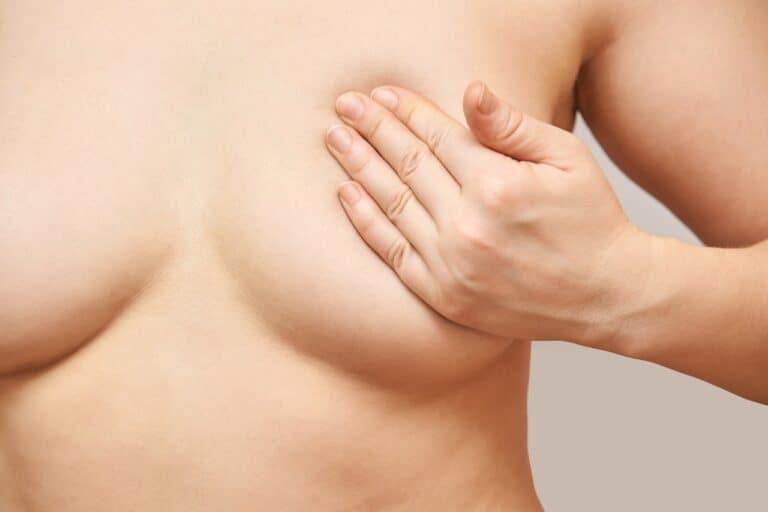
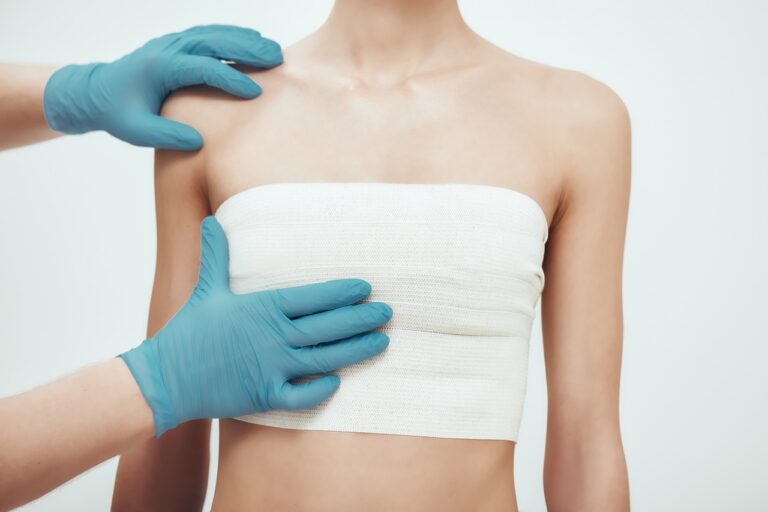
Few moments in cosmetic or reconstructive surgery feel more exciting than seeing the first signs of your natural healing. The choice of post-surgical care, especially your surgical bra, can play a major role in your comfort and your results. At the New Jersey Breast Reduction Center, we see many patients who wonder how important it is to wear a surgical bra after breast reduction, how long to wear it, and how it will affect their healing.
You get better results, experience a smoother recovery, and feel much less anxious about aftercare once you master these details. The right surgical bra is much more than a piece of clothing. It can help you feel secure and supported as your body adapts.
Let us walk you through everything you need to know about post-breast reduction surgical bras.
Key Takeaways

Why Surgical Bras Matter After Breast Reduction
A surgical bra is not just a suggestion after breast reduction surgery. It serves as a medical support that can make a real difference in your healing process. This garment does much more than support your breasts. It also helps hold dressings in place and shields sensitive skin after surgery.
Patients often describe extra comfort and a sense of security with a well-fitted surgical bra. This comfort allows you to focus on recovery instead of pain. Our surgeon also sees fewer complications when patients follow careful support guidelines as directed.
Surgical Bras Reduce Swelling and Support Incisions
Your breasts and chest tissues naturally swell as your body repairs itself after surgery. A good surgical bra helps compress the area gently, which keeps swelling under control. This compression helps reduce pain and speeds up your progress.
At the same time, surgical bras help keep incisions secure. This reduces the risk of tension on stitches, which supports better scar healing.
Surgical Bras Lower the Risk of Complications
Seromas, hematomas, and wound separation can happen when breasts are not well-supported after surgery. When you wear a properly fitted surgical bra, you help your incisions stay stable and dry, lowering your chances of infection and other issues that delay healing.
Surgical bras are specially designed to avoid underwires and seams that could rub or irritate fresh incisions. Our doctor always recommends specialized bras instead of regular sports bras for this reason.
Comfort and Peace of Mind
A surgical bra keeps your breasts from shifting unexpectedly, especially at night or during routine daily movement. This can lessen pain and help you move more confidently.
Patients at our practice often report that they feel more secure and sleep better with their surgical bra. Comfort really does matter in the first weeks after surgery.
Key Features of a Good Surgical Bra
Not all surgical bras are the same. A clear look at these key features helps you make the best possible choice for your recovery. Before you purchase or wear a post-breast reduction bra, here is what you need to look for.
Soft, Breathable Material
Your skin will be sensitive following breast reduction surgery. Choose bras made with soft, hypoallergenic materials to reduce irritation. Cotton, bamboo, and specialized moisture-wicking fabrics work well for breathability and comfort.
Front Closure
A surgical bra with a front closure is easier to put on and take off, especially while you heal. Snaps, zippers, or hook-and-eye closures in the front allow secure dressing changes with less arm movement.
Wire-Free Design
Avoid anything with underwires or hard seams. These can press into the incision area or increase inflammation and pain. Wire-free bras prevent pressure points and allow wounds to heal safely.
Gentle Compression
The right surgical bra offers light but firm compression. This helps minimize swelling without cutting off circulation or causing discomfort. Your bra should feel snug but not too tight.
Adjustable Straps
Swelling can change your breast size slightly in the weeks after surgery. Adjustable straps and flexible bands help you maintain comfort as your body progresses through the expected breast reduction healing stages.
How Our Surgeon Helps You Choose the Right Bra
Choosing your surgical bra can feel overwhelming with so many styles on the market. Our surgical team at the New Jersey Breast Reduction Center will guide you through this decision.
Patients meet with our nurse or our doctor both before and after surgery. During these appointments, we help you select the right size and style based on your unique body and breast reduction procedure.
We also provide specific recommendations or prescriptions if you prefer to buy a medical-grade bra at a professional supply store. Some specialty retailers allow for in-person fitting, and our staff can work with you to ensure a perfect fit.
Our surgeon always recommends that patients bring their surgical bra to the surgical appointment. This makes the recovery process smoother, with less worry about arranging it at the last minute.
Typical Timeline for Surgical Bra Use
Wearing a surgical bra after breast reduction happens in stages. We adjust recommendations as your healing progresses. Each patient is different, but most follow a similar timeline of care.
First Week After Surgery
Patients wear a surgical bra around the clock, except for short breaks to wash the skin or change dressings. The first week is when swelling is greatest, and breasts need the most support.
Some patients feel nervous about removing the bra even briefly, but our surgical team will give you exact instructions so you never feel unsure.
Weeks Two to Four
As swelling begins to subside and discomfort lessens, you might notice the bra feels a bit looser. Most patients continue wearing the surgical bra at all times, especially during physical activity or sleep.
You may switch to a second, clean bra or a slightly different size as your body shape changes throughout healing. Always check with our surgeon before making any changes to your compression garment.
Moving to Regular or Sports Bras
After about four to six weeks, most patients get clearance to transition to a supportive, non-underwire sports bra. You should always avoid underwires and push-up styles until our doctor confirms your scars are fully healed.
At each post-operative visit, our team will evaluate your progress and recommend when to move to normal bras.

How to Wear and Care for Your Surgical Bra
Knowing the proper way to wear and care for your surgical bra can improve your comfort and prevent problems like skin irritation or infection. Patients often have questions about day-to-day use.
How to Put On and Remove the Surgical Bra
Put on the bra while seated if possible, rather than standing or stretching overhead. Fasten the front closure gently over your breasts, ensuring no folds or puckering in the fabric.
When you remove the bra, do so carefully and slowly. Check for any new redness or irritation each time.
Washing Instructions
Always wash your surgical bra frequently with a mild detergent. Hand washing is best, but if you must use a machine, choose a delicate cycle and place the bra in a lingerie bag.
Rinse thoroughly and let the bra air dry. Heat from a dryer can damage elastic fibers and reduce the bra’s lifespan. Keeping your garment clean and dry lowers the risk of skin problems.
Skin Checks and Comfort Adjustments
Inspect your skin every day for signs of chafing, rashes, or pressure marks. If you notice any areas of discomfort, call our surgical team so we can adjust your dressings or recommend a new style or size.
Your comfort and healing are always top priorities at our practice.
What to Avoid While Wearing a Surgical Bra
Patients sometimes try to speed up healing or return to their favorite activities too soon. Our team wants you to avoid certain things to protect your progress and comfort.
Underwires and Unapproved Garments
Underwire bras, push-up bras, and tight shapewear apply pressure in the wrong places after breast reduction. Always use the bra type approved by our surgeon.
Overly Tight or Loose Bras
A surgical bra should not cut into your skin or leave deep marks, but it also should not ride up or allow your breasts to sag. Always report problems with the fit.
Heavy Lifting or Strenuous Arm Movement
Activities like weight lifting, stretching overhead, or sudden twisting can place strain on your healing tissues. Plan to wait until our surgical team clears you for physical therapy or exercise.
Moisturizers or Powders on Incisions
Many people try to apply lotions or powders for comfort. Only use products approved by our doctor to avoid introducing bacteria or delaying healing.
If you have concerns about itching or dryness, bring these up at your next visit so we can recommend medical-safe solutions.
Benefits of Proper Use of a Surgical Bra
The right post-surgical bra offers a number of advantages that stretch far beyond the first days after your procedure. We want every patient at our practice to enjoy these benefits as they heal.
- Improved Healing: Surgical bras keep swelling in check and support stable incision lines, which can help scars fade evenly.
- Lower Risk of Infection: Clean, dry, and breathable fabrics help wick moisture away, keeping bacteria and irritation at bay.
- Lasting Comfort: Proper compression and support allow for less pain and greater freedom as you move, which helps you return to daily life with greater confidence.
- Boosted Confidence: Knowing that you are wearing a bra specifically designed for your surgery can help you feel reassured and empowered while you heal.
This combination of factors makes surgical bras a foundational part of your aftercare plan.
Tips for a Smooth Recovery After Breast Reduction
Taking care of yourself after breast reduction surgery is about more than just what you wear. Your daily habits and self-care play a vital role in your comfort and long-term satisfaction.
Maintain Gentle Movement
Light walking can keep your blood flowing and help prevent clots, as long as you avoid jarring or repetitive arm motions. Use your surgical bra throughout these movements for steady support.
Prioritize Rest and Hydration
Rest is critical. Support your breast reduction recovery by sleeping at a slight incline if your surgeon recommends it. Drink plenty of water and eat nutritious meals to fuel your body’s healing.
Be Patient With Swelling and Bruising
Some swelling and bruising are normal and may last several weeks. Keep wearing your surgical bra as directed, and remember that final results take time.
Communicate With Your Care Team
Do not hesitate to reach out if you have concerns about your bra, incision care, or recovery symptoms. Our team wants to support your comfort at every stage.
Post-Operative Milestones and When to Call Our Office
Tracking your recovery progress helps you notice small improvements and address issues early. At several points after your breast reduction surgery, keep these milestones and warning signs in mind.
Weeks 1–2: Expect mild swelling, tenderness, and some fluid retention. Your surgical bra should provide noticeable relief during this initial stage.
Weeks 3–4: Swelling often lowers, and any discomfort improves. Still, continue to check your skin for irritation or issues with the fit of your garment.
Weeks 5–6: Many patients feel well enough to resume light activity. Ask our team before returning to full exercise or switching to a standard bra.
Call our office if you see worsening redness, drainage, intense pain, or signs of infection. Unusual changes in breast shape or bleeding also require a prompt check-in with our doctor.
Common Questions About Surgical Bras After Breast Reduction
Patients often have many questions once they leave the surgical center. At the New Jersey Breast Reduction Center, we address every concern in detail so our patients feel secure and informed. Here are some common questions we hear about surgical bras after breast reduction:
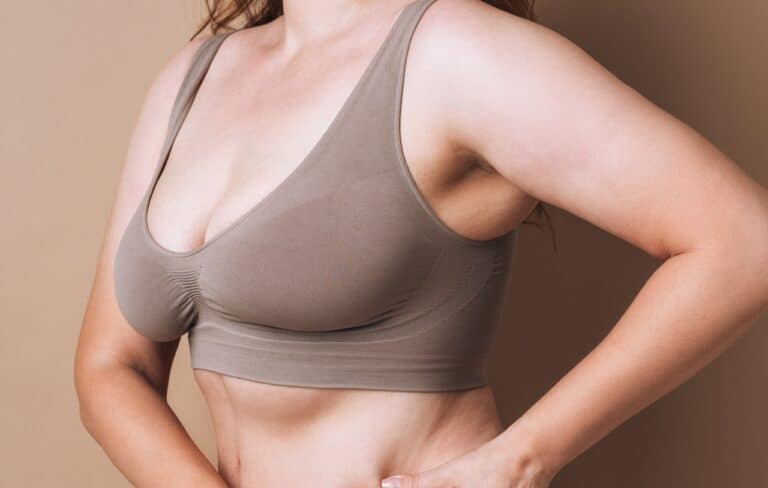
Surgical Bra Final Thoughts and Next Steps
The time you invest in wearing and caring for your surgical bra can have an outsized impact on your recovery and your final results after breast reduction. Patients who follow these guidelines tend to heal faster, experience fewer complications, and feel more confident about their outcome.
Everyone’s journey is unique, which is why our doctor builds an aftercare plan customized to your needs and preferences at every stage. Open communication, proper garment use, and a supportive care team help make your experience smoother and less stressful.
If you think breast reduction might be right for you or if you have questions about recovery and aftercare, reach out to the New Jersey Breast Reduction Center. Our surgeon and caring staff are here to support your comfort, healing, and goals at every step. Call today to schedule a consultation or ask any questions on your mind.