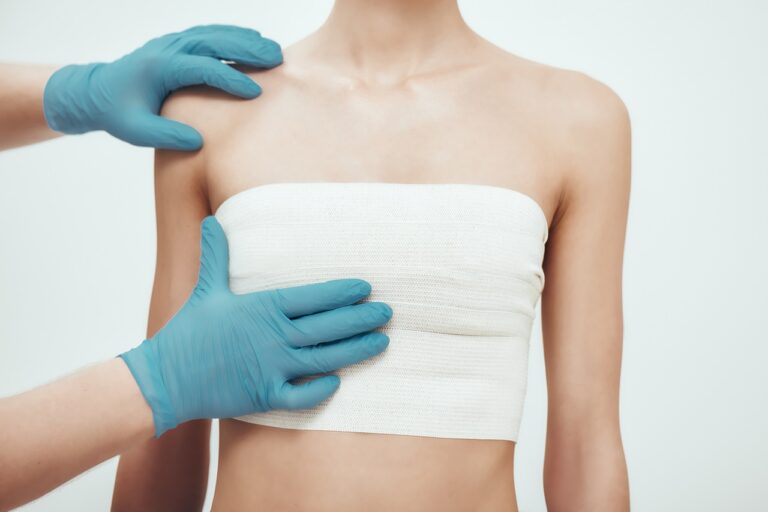
Breast reduction surgery can bring life-changing relief from discomfort and enhance your confidence. Many patients begin to look forward to daily activities they once avoided, as pain and self-consciousness fade away. At the New Jersey Breast Reduction Center, our team wants your healing process to be as smooth as possible, so you feel empowered every step of the way.
Every patient’s recovery journey looks a little different, but most people notice significant improvement in the first few weeks. As you navigate post-surgical care, knowing how to maximize your comfort and safety helps you get the results you want. Our guide offers practical tips to ensure a safe, effective healing process and helps you avoid unnecessary setbacks.
Key Takeaways
What To Expect During The First Few Weeks
You can expect the most noticeable healing and changes within your first six weeks after surgery. While everyone’s recovery timeline is unique, most patients report similar patterns in these first days and weeks.
Early Recovery Milestones
During the first few days after surgery, rest will remain your biggest priority. Our surgical team will advise you to spend the majority of your time relaxing in bed or on a comfortable chair. You will likely experience some soreness, bruising, or mild swelling, which typically peaks in the first week and then gradually subsides.
For the first 48 hours, you should avoid showering and keep your surgical dressings dry. Our staff provides specific instructions on when and how to change these dressings. Short, gentle walks indoors help prevent blood clots, while too much activity can strain healing tissue.
Your first follow-up appointment, usually within one week, allows us to evaluate your recovery and answer your questions. You can prepare to bring up any concerns, including discomfort, drainage, or issues with your surgical bra.
Common Physical Sensations
Patients often notice numbness or tingling in their breast area during early recovery. This happens as your body repairs small nerves that were affected during surgery. You may feel tightness or mild itching as incisions close and swelling decreases. If pain worsens or bleeding increases, you should let our office know right away.
Sleep may feel uncomfortable for several days, especially if you naturally sleep on your stomach. Lying on your back with pillows for support can help take pressure off your breasts and improve comfort.
You may return to light activities slowly in the second week and resume work after about 10-14 days, depending on your job’s physical demands. If you work a physically demanding job, talk to our surgeon about a personalized timeline for returning to full duties.
Essential Recovery Tips For Comfort And Healing
Following breast reduction surgery, proactive steps help prevent setbacks and boost comfort. Our team recommends a patient-focused approach to home care, medications, and self-monitoring.
Medication and Pain Control
Your surgeon usually prescribes a combination of pain relievers and, in some cases, antibiotics to lower the risk of infection after breast reduction. Take these medicines according to your instructions, and do not skip doses to “tough it out.” Over-the-counter medicines such as acetaminophen or ibuprofen can help manage mild discomfort once prescription medications are no longer needed.
Applying ice packs to your chest for 15-20 minutes at a time can decrease pain and swelling, but keep the ice pack wrapped in a soft towel to protect your skin. Avoid applying ice directly to the incision area.
If you notice increased pain, fever, or signs of an allergic reaction, call us right away. Our medical team will help you adjust your care as needed, so that you stay on track with healing.
Sleep, Nutrition, and Hydration
Getting enough rest remains essential during the entire recovery process. Sleep position plays a key role in protecting your incisions and improving comfort. We recommend sleeping on your back, with a supportive pillow underneath your upper back and one under your knees. This position minimizes pressure on your healing breasts.
Eat a balanced diet with plenty of protein, vitamins, and antioxidants. Foods like chicken, fish, eggs, beans, leafy greens, and berries support tissue repair. Stay hydrated by drinking at least eight glasses of water per day unless otherwise instructed.
Limiting salty foods helps keep swelling in check. Tobacco and alcohol can slow healing and increase risks, so avoid these substances for at least six weeks after surgery.
Key Daily Care Tips
You can use these essential tips each day to maintain your comfort and support optimal results.
- Keep Incisions Clean: Gently cleanse your incisions according to our protocols, which usually means using mild soap and lukewarm water after dressings are removed.
- Wear Your Support Bra: Surgical bras keep swelling down, stabilize breast shape, and protect healing incisions. Our doctor will guide you on how long to wear it.
- Avoid Lifting and Stretching: Protect your surgical sites by avoiding lifting anything heavier than five pounds. Activities like reaching over your head or intense arm movements should wait for your doctor’s green light.
- Monitor for Signs of Infection: Check your incision lines daily for increased redness, oozing, foul odor, or warmth. Call our office promptly if you notice any unusual changes.
- Limit Sun Exposure: Sunlight can darken scars. Cover incisions with soft clothing and use sunscreen once your skin is fully closed.
Every patient’s healing process looks different, so check in with us if you have any concerns or face new symptoms.
Activity Restrictions And Physical Care
Returning to your normal routine demands patience and careful planning after breast reduction surgery. The way you approach physical activities during your recovery has a big impact on your overall result.
Phases of Physical Recovery
Your activity level will progress in stages:
First two weeks: Most patients should walk indoors or in their yard only. You should avoid all strenuous activity. This early limitation prevents bleeding and helps delicate incisions knit together.
Week three to six: You can slowly increase your daily activities, such as doing simple household tasks or walking outside. Exercise, jogging, running, or high-impact aerobics remain restricted until your surgeon approves.
After six weeks: With our approval, you can resume more vigorous activities, including lifting heavier items or returning to sports. Listen to your body, and increase intensity gradually.
Dressing and Wound Care
Special surgical bras or compression garments remain a constant during your first several weeks of recovery. These garments reduce swelling, support your new breast shape, and protect delicate tissue as it heals. You may feel tempted to switch back to underwire bras too soon, but this can cause pressure points that slow healing or irritate your incisions.
After the initial dressing is removed at our office, incisions require gentle care. Clean your incisions according to our instructions, usually once per day. Pat the area dry, and do not rub or use harsh products.
We advise against using over-the-counter creams or lotions on your scars until our doctor gives approval, as some products can cause irritation or allergic reactions early on.
When To Resume Driving and Work
Once pain is controlled with over-the-counter medication and you no longer require prescription painkillers, most patients can drive again after about 10-14 days. However, you should feel fully able to turn the steering wheel and react quickly before you get behind the wheel.
Returning to office work or remote jobs can happen after 10-14 days if your job requires heavy lifting or repetitive arm movement, plan on needing four to six weeks before resuming those activities. Our doctor will give you personalized guidance at your follow-up appointments.

Emotional Wellbeing And Mental Health
Recovery after breast reduction surgery affects not only your body, but also your emotions and mental state. Many patients notice a range of feelings, from relief and happiness to anxiety and impatience.
Common Emotional Changes
You may feel excited about the changes in your body, but also experience mood swings or moments of self-doubt. Swelling and bruising can temporarily make results look different from what you expected, which sometimes leads to disappointment in the early weeks.
Family members or friends might not understand the magnitude of your physical and emotional recovery. Try to communicate your needs to loved ones, and let them know how they can best support you.
Supporting Your Mental Health
Managing stress supports physical healing and improves your overall recovery experience. Here are some useful approaches:
- Set Reasonable Expectations: Your final results may not appear until swelling goes away (often after three to six months). Remain patient as your body heals.
- Find Calming Activities: Gentle walks, listening to music, reading, or meditation can ease stress without risking your recovery.
- Stay Connected: Communicate with our office, friends, or a counselor if you need emotional support. Do not hesitate to seek additional help if you feel overwhelmed.
Prioritizing your mental well-being leads to better satisfaction with your outcomes and a healthier recovery overall.
Signs Of Concern: When To Call The Surgeon
Most patients heal without complications, but every recovery has some unpredictability. Knowing which symptoms require urgent attention helps you prevent serious issues and keeps your recovery on track.
You should contact the New Jersey Breast Reduction Center if you notice any of the following:
- Persistent Fever: A temperature over 101.5°F that does not go away with medication can signal an infection.
- Sudden, Increased Swelling: Rapid or one-sided swelling accompanied by firmness or pain may indicate a problem that needs urgent evaluation.
- Heavy Bleeding or Fluid Drainage: Soaking through dressings or persistent drainage from incisions requires a prompt call to our team.
- Unusual Redness and Heat: Red streaks or widespread warmth may point to infection or inflammation.
- Severe Pain Not Controlled By Medication: Pain that does not improve or gets worse could signal a complication.
- Shortness of Breath or Chest Pain: These rare symptoms may signal a medical emergency. Call 911 or seek immediate care.
While many symptoms can be managed simply, erring on the side of caution helps you avoid prolonged setbacks or delayed healing.
Tips For Scar Care And Long-Term Results
Scars are a natural part of every surgery, but you can minimize their appearance with proper care. Patients often report that their breast reduction scars fade significantly over time when they follow the right regimen.
Best Practices for Scar Improvement
Our doctor recommends a specific aftercare program to help your scars heal beautifully.
- Keep Scars Moist and Protected: Once your incisions are fully closed, apply a thin layer of petroleum jelly or a doctor-approved ointment. This helps seal in moisture and supports healing.
- Use Silicone Sheets or Gels: Many patients notice softer, flatter scars when they use silicone-based products after the first few weeks. Our office can recommend options based on your skin type.
- Limit Sun Exposure: UV rays make new scars darker and more noticeable. Keep your scars covered for at least six months, then use sunscreen when exposure is unavoidable.
- Massage Scars Gently: After four to six weeks, gentle scar massage (as demonstrated by our nurse or doctor) can help soften tissue and increase flexibility.
- Wait Before Using Makeup: Do not use concealer or topical makeup on your scars until the skin has completely healed.
As time passes, breast reduction scars fade and flatten for most patients, so patience is essential. Following your surgeon’s scar care instructions gives you the best chance for a beautiful, natural-looking result.
Keys To A Successful Breast Reduction Recovery
Breast reduction surgery can be one of the most meaningful procedures for improving your comfort and quality of life. At the New Jersey Breast Reduction Center, our team wants to make sure your recovery journey is smooth from start to finish.
Prepare your home before surgery, and make sure you have support for daily tasks in your first week. Follow our surgeon’s instructions closely, especially regarding medications, wound care, and restrictions on physical activity. Prioritize both your emotional and physical recovery, and reach out early for help if you notice any warning signs.
A successful recovery depends on good preparation, communication, and support. If you are ready to take the next step toward lasting relief and a more confident future, contact the New Jersey Breast Reduction Center to schedule a consultation. We are here to answer your questions and guide you every step of the way.