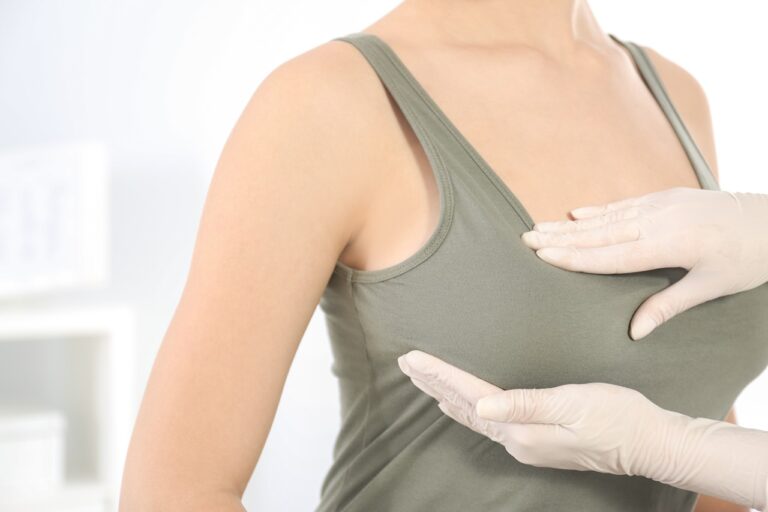
Breast reduction offers physical comfort and increased confidence to many individuals struggling with the challenges of overly large breasts. At the New Jersey Breast Reduction Center, our surgeon guides patients through a process that brings significant transformation, both physically and emotionally.
Recovery is a crucial part of this journey, and understanding the healing stages can help you prepare for what to expect each step of the way. Our detailed guide draws on our clinical experience and patient feedback so that you are fully informed about the process from the first days after surgery through a return to daily life.
Let us walk you through what you will experience, how to care for yourself, and how to spot progress or concerns. The healing journey is predictable in many ways, yet every patient’s body heals on its own timeline. The next sections will help you feel confident and prepared for each milestone.
Key Takeaways
What Happens Right After Surgery?
The period immediately after breast reduction is often called the acute recovery phase. This stage is vital for proper healing, and our team gives you specific instructions before sending you home.
The First 24 to 48 Hours
Most patients wake up with dressings over the incisions and sometimes small surgical drains. Grogginess, mild nausea, and chest tightness are common and gradually subside.
You will need a trusted friend or loved one to take you home and stay with you for the first night or two. Pain is usually worst in the initial days, and prescribed medication helps you stay comfortable.
Reducing Swelling and Bruising
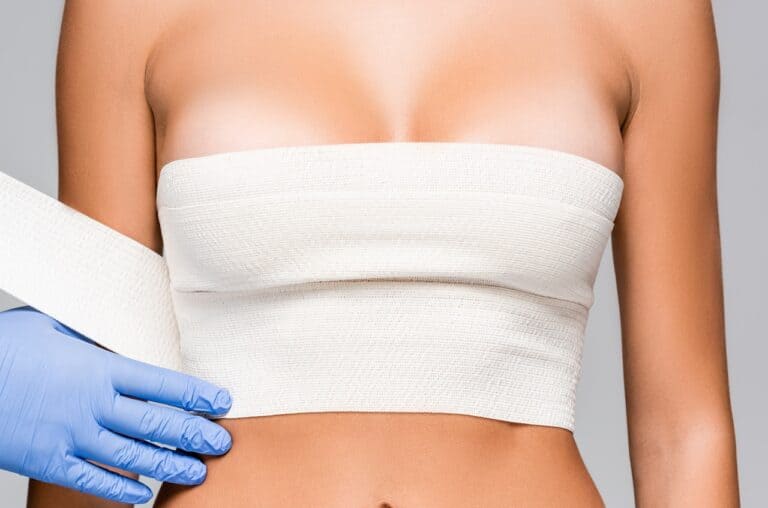
Swelling and bruising in the chest and upper body are expected after breast reduction. Keeping your upper body elevated, staying hydrated, and wearing a special surgical bra help control these changes.
Our surgeon advises you about gentle movement, safe sleeping positions, and how to care for your incisions. Serious pain, heavy bleeding, or difficulty breathing requires a call to our office.
Milestones of the Breast Reduction Healing Timeline
Every patient’s recovery is slightly different, but healing tends to follow a recognizable pattern. Knowing the typical sequence can reduce anxiety and help you plan activities.
The First Week: Focus on Rest and Protection
The initial week centers on minimizing movement, protecting the chest, and implementing attentive breast reduction aftercare to safely support the early healing of incisions. Numbness, tightness, and mild to moderate pain are common.
Small drains may be in place to carry away excess fluid, which our surgeon removes after a few days if used. Swelling peaks during this time, then starts to decrease.
Weeks 2 to 3: Gradual Improvement
During the second and third weeks, most patients see a drop in swelling, bruising, and discomfort. You will likely switch from prescription pain medication to over-the-counter options.
Returning to desk work or gentle daily activities becomes possible, though strenuous movements should still be avoided. Tenderness when raising your arms or reaching may persist.
Stitches that require removal will be addressed by our team, and your incision care routine continues.
Weeks 4 to 6: Returning to Light Activity
Incisions close completely for most patients, and sensitivity around the breast skin and nipples improves. You might notice some areas feel numb, tingling, or itchy.
Gentle walking and light household chores are encouraged, while activities that strain your upper body stay off-limits. Our surgeon assesses healing progress at follow-up visits and clears you for additional activities at the right time.
Beyond 6 Weeks: Settling Into Results
By this stage, most swelling and bruising disappear, and scars soften and fade. Bras with underwire remain off-limits, but sports bras offer support.
Sensation continues to evolve for months, and the final breast shape gradually emerges. Our doctor usually approves a return to full exercise and swimming once healing is robust, allowing patients who desire a full-body transformation to safely resume intensive strength training and athletic conditioning.
Typical Side Effects and Their Duration
Breast reduction produces some short-term symptoms that fade as healing progresses. Here are the most common side effects and what you can expect:
- Swelling: The majority subsides within three to six weeks, though subtle swelling may linger several months.
- Bruising: Most bruising disappears by week three, and any lingering discoloration continues to fade week by week.
- Numbness or Tingling: Sensory changes improve over months, but permanent numbness in small areas is possible.
- Itchiness: This is a sign that nerves and skin are regenerating and tends to resolve within several weeks.
Keeping your surgeon updated about unexpected side effects helps ensure that all issues are addressed promptly.
Scar Care and Appearance Over Time
Scarring is inevitable after breast reduction, but the right care makes it less noticeable over time. Most incisions follow a pattern, such as a vertical or anchor shape, according to the technique used.
Early Scar Management
Our team provides scar care instructions tailored to your skin type and healing progress. Keeping incisions clean and protected prevents infection and supports better cosmetic outcomes.
Gentle application of prescribed ointment or recommended silicone-based products encourages scars to flatten and fade. Sun protection is crucial because UV exposure darkens scars and makes them stand out more.
Changes in Scars With Healing
Scars look darker and may feel raised or tight for the first few months. Over several months, scars usually become lighter and softer, blending in with natural skin tones.
Tingling or slight itching can also occur as nerves regenerate and scars mature. Following scar care recommendations, such as massage or medicated creams, speeds improvement.
Long-Term Scar Outcomes
With proper care, most breast reduction scars become fine lines by one year after surgery. Some patients develop thicker or more visible scars based on genetics or healing patterns, but most find the marks easy to conceal. Our surgeon can suggest additional treatment options if you want to further improve scar appearance.
Key Stages of Breast Reduction Healing
The process unfolds in predictable phases, each carrying unique priorities and challenges. We have described the stages in detail to help you know what to expect.
The Immediate Postoperative Stage
This period covers the first 72 hours and involves:
- Maximum swelling and soreness as the body reacts to surgery.
- Close monitoring of vital signs and incision condition.
- Use of compressive dressings or a surgical bra for support.
- Short walks to encourage circulation and prevent blood clots.
Close adherence to instructions about rest and medication at this time protects your results and comfort.
Early Recovery: Days 3 to 14
During this timeframe, most patients shift to lighter pain medication and experience less swelling or bruising. Incisions begin to form new tissue, and drains are removed if present.
Careful attention to wound care, follow-up visits, and avoiding lifting or straining gives your body the best opportunity to heal.
Intermediate Recovery: Weeks 2 to 6
Energy returns as discomfort fades, so you can start gentle walking, light cooking, and low-impact daily tasks. Our doctor will examine your healing and address any areas of concern with you.
Nipple sensation may return partially or fully, though temporary numbness remains in some areas as nerve recovery progresses.
Late Recovery: After 6 Weeks
Resuming exercise and more active work becomes possible as incisions fully close and swelling largely resolves. While you gain more comfort and confidence, it remains essential to use gentle support and avoid heavy lifting for a bit longer.
Enjoying regular life with a more proportioned chest marks a rewarding milestone for most patients.
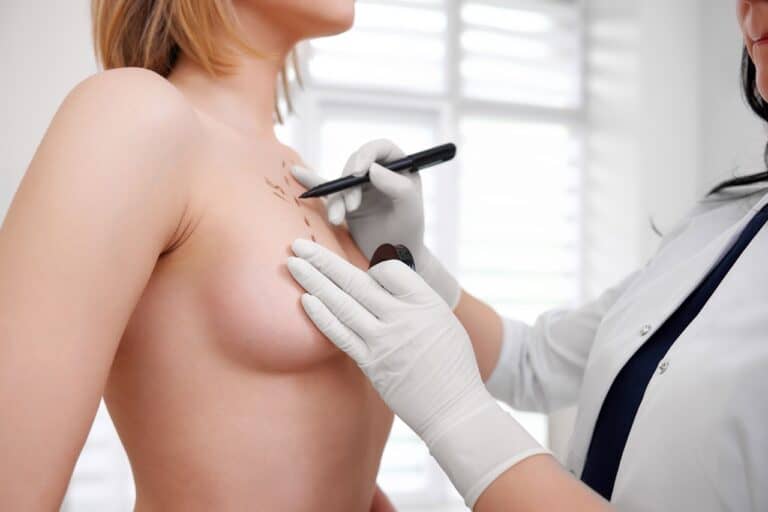
Tips for Managing Discomfort and Promoting Healing
Our surgeon recommends several strategies to make the healing period smoother and safer. These habits help your body recover efficiently and support long-term results.
Essential Recovery Practices
- Follow Post-Op Instructions: Adhering strictly to your post-surgical care plan, including medications, wound care, and activity restrictions, remains the best way to lower the risk of complications and speed recovery.
- Wear Supportive Garments: Keeping the surgical bra or support garments in place around the clock softens swelling, protects incisions, and improves comfort during movement.
- Stay Mobile, but Gentle: Taking short, slow walks around the home helps reduce blood clot risk and encourages healthy blood flow.
Remember that clear communication with your surgical team builds trust and enhances your sense of control during recovery.
Nutrition and Hydration
Nutritious foods, including lean proteins, whole grains, and fresh produce, supply your body with the resources to rebuild tissue efficiently. Drinking enough water prevents dehydration, which is especially important while healing.
Recognizing Warning Signs and When to Seek Help
Knowing what is normal versus a red flag after breast reduction increases your safety and peace of mind. Any concerning symptoms should be addressed right away by our surgeon or care team.
Look out for:
- Severe or Worsening Pain: Persistent, intense pain that does not improve with medication is a sign for urgent evaluation.
- Sudden Swelling or Redness: Marked changes in swelling, warmth, or redness may indicate infection or bleeding.
- Fever or Chills: A temperature higher than 100.4 F can signal infection in the body.
- Abnormal Drainage: Large quantities of fluid, pus, or foul odor near the incisions need prompt attention.
- Breathing Problems or Chest Pain: Any chest pain or shortness of breath should trigger an emergency call.
- Significant Asymmetry: Uneven swelling or bruising that is pronounced should also be reported.
Promptly reaching out helps ensure your breast reduction recovery stays on track and avoids long-term complications.
When Can You Resume Regular Activities?
Most patients are eager to return to their usual routines after breast reduction. The timeline varies based on the extent of surgery, individual healing pace, and job duties.
Returning to Work
Desk jobs or light duties are typically safe to resume within 10 to 14 days, depending on energy and comfort. Positions that involve lifting or repetitive movement could require a longer absence.
Staggering your return hours or working from home, if possible, makes the transition gentler.
Household and Social Activities
You can get back to basic daily chores, light shopping, and social gatherings within three to four weeks in most cases. Asking family and friends for help with heavy lifting makes recovery safer and less stressful.
Sexual activity may be resumed once incisions are well healed and pain has subsided, generally after three to four weeks.
Exercise and Sports
Lower body activities such as walking or stationary biking may be added after two to four weeks. Our surgeon advises waiting at least six weeks before swimming, running, or upper-body workouts.
Always listen to your doctor’s guidance, as everyone’s readiness timeline is unique.
Emotional Healing After Breast Reduction
Physical healing is only part of recovery. Adjusting to a new body image, responding to others’ reactions, and processing emotions are all important aspects.
Common Emotional Reactions
Many patients experience relief and increased satisfaction soon after surgery. Others feel anxious about visible scars or changes in shape that are not yet final.
Mood swings, moments of doubt, or impatience with recovery progress are typical and gradually improve with time.
Supporting Your Emotional Well-being
Keeping open communication with supportive friends, family, or our care team makes the emotional process smoother. Focusing on rest, self-care, and positive lifestyle changes nurtures confidence in your new appearance.
If you struggle with persistent sadness or distress, we recommend discussing your feelings with your physician so you can access additional support.
Supporting Optimal Long-Term Results
Surgical skill and personal care both play roles in achieving results you can feel confident about. Small daily decisions make a big impact over months and years.
Healthy Habits for Lasting Results
- Maintain Stable Weight: Fluctuations in body weight can alter breast shape.
- Exercise Regularly: Gentle strength and aerobic activities support chest muscles and overall health.
- Practice Breast Self-Checks: Routine self-breast exams encourage awareness and prompt attention to any new changes.
Over the long term, most patients enjoy a more comfortable and balanced physique that improves physical and mental well-being.
Preparing for a Smooth Recovery
Preparation before your surgery helps you approach healing with fewer surprises. At the New Jersey Breast Reduction Center, our highly regarded plastic surgeon reviews expectations and aftercare in detail before the procedure to ensure you feel entirely prepared.
Setting up your home, purchasing soft clothing, filling prescriptions, and arranging support for daily tasks ensures you can rest and recover properly. Knowing your support team and post-op appointment schedule in advance takes away uncertainty and stress.
Frequently Asked Questions About Healing Stages
Many patients have similar concerns about the healing process. The following questions come up most often at our New Jersey practice.
Contact our office if you see persistent or marked asymmetry well after the initial healing phase.
Find Support for Every Stage of Healing
Recovering from breast reduction is a journey that includes predictable milestones, changes, and emotions. Knowing what to expect and when brings confidence and reassurance.
Our team at the New Jersey Breast Reduction Center is committed to supporting you from your first consultation through the final stage of healing, delivering our exceptional breast reduction care every step of the way. Trust that we are always here to answer your questions, ease concerns, and celebrate your progress.
If you are considering breast reduction or want more guidance about any aspect of the healing process, reach out to our office today. Schedule a consultation so our surgeon can help you move forward toward greater comfort and confidence.