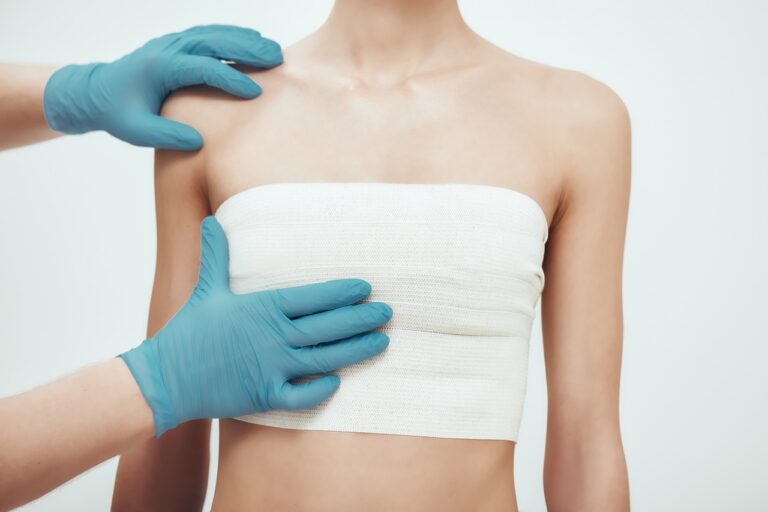
At the New Jersey Breast Reduction Center, our surgeons understand that breast reduction surgery brings major positive changes for many people. As you recover, proper aftercare becomes an essential part of protecting your health and surgical result.
Most patients heal well, but post-surgical infections are a risk after any procedure. Knowing what to watch for empowers you to act quickly if you notice a possible concern. Staying informed can keep you on the smoothest path to recovery and peace of mind.
Let’s walk through the signs of infection after breast reduction and how you can take the very best care of your body as you heal.
Key Takeaways
Breast Reduction Recovery: What to Expect
Healing from breast reduction involves several distinct phases. Recovery usually spans several weeks, with each stage carrying unique signs and sensations.
Breast reduction, or reduction mammoplasty, removes excess breast tissue and skin to achieve a better breast size. The incisions and reshaping of tissues mean your body needs time to heal from the procedure.
Typical Recovery Timeline
Breast reduction recovery time varies for each person. Most patients notice improvement every week as they follow the aftercare steps from our surgical team.
In the first days, rest and gentle care matter most. You may experience bruising, mild swelling, and discomfort during the first few days. These symptoms usually get better as the swelling goes down.
By week two, most people resume some light activity. Heavy lifting, exercise, and certain movements remain off-limits until healing is further along. Our team recommends avoiding strenuous upper-body activity during this period.
After about four weeks, most patients feel stronger with less pain. Final shape and softened scars develop over a few months, with follow-up visits ensuring long-term health.
Normal Versus Concerning Symptoms
Some symptoms, like mild swelling, soreness, and bruising, belong to a healthy recovery process. Gentle pinkness around the incision site is usually normal in the first several days.
If you notice rapid increases in redness, pain, heat, or drainage, this can be an early sign of infection. Severe symptoms, fever, or thick, discolored discharge need prompt evaluation.
What Causes Infections After Breast Reduction?
Infections after breast reduction occur when bacteria enter the incision site and multiply. The body’s immune system works hard to stop infections, but sometimes bacteria overcome these defenses.
Main Risk Factors for Infection
Several key elements increase the risk of infection during breast reduction recovery.
- Poor wound hygiene: Failure to keep the incision clean or frequently changing bandages increases infection risk.
- Pre-existing health conditions: Diabetes, obesity, or immune system challenges may impair healing.
- Smoking and nicotine use: These restrict blood flow and impact the body’s natural defenses.
- Hematomas or fluid buildup: Blood or serous fluid collections near the incision can act as a breeding ground for bacteria.
- Delayed healing: Slow wound closure from tension or poor nutrition increases risk.
Some risk factors do not come from the patient’s control, but many prevention steps are practical and effective. Our doctor reviews all medical histories and gives guidance to help lower the infection risk for each person. During the initial evaluation, we identify the best breast reduction candidates based on their overall health, as managed conditions like diabetes or a healthy BMI significantly lower the risk of post-surgical bacterial growth.
Recognizing the Signs of Infection: What to Look For
Knowing what symptoms to watch for can speed up intervention and protect your health. Infection signs often develop suddenly, so noticing even subtle changes really matters.
Common Signs of Infection After Breast Reduction
You may notice one or several warning signs if an infection is present. Below is a list of the most common indicators that require attention.
- Redness: The skin around the incision looks increasingly red or develops streaks that spread outward.
- Swelling: New or quickly worsening swelling appears near the surgical site or across the breasts.
- Heat: The incision area feels hot to the touch, especially compared to other areas of your chest.
- Pain: Persistent, severe, or new pain that does not improve with rest, medication, or time.
- Discharge: Thick, yellow, green, or foul-smelling drainage leaks from your incision.
- Fever: Your body temperature increases to 100.4°F (38°C) or higher.
- Tenderness: Bruised or sore areas become more sensitive, not less, as days go by.
- Malaise: You feel generally unwell, tired, achy, or weak with no other explanation.
Healthy incision sites typically show improvement each day after surgery. If you identify several items on this list, prompt evaluation by our surgeons could make a significant difference in outcome.
Steps to Take if You Suspect Infection
Patients sometimes hesitate to call their surgical team out of worry or doubt. However, early communication protects your health and often leads to simpler treatments.
When to Contact the Surgeon
Immediate contact is wise under many circumstances. Our surgeon wants to know right away if you experience:
- Fever above 100.4°F (38°C)
- Wound opening or thick, dark discharge
- Sudden changes in breast color, shape, or swelling
- Increasing pain that does not respond to medication
Sometimes, mild symptoms resolve with better hygiene or rest. If symptoms increase or persist for more than a day, our team wants to recheck your healing.
How Our Team Will Respond
Once contacted, our nurse or doctor may instruct you to:
- Take a photograph of the incision for review.
- Gently clean the incision as directed.
- Come in for an urgent in-person evaluation.
- Begin oral antibiotics if prescribed, after confirming the diagnosis.
If a serious infection is present, our surgical team manages treatment promptly. Hospital care is rarely required, but safety always comes first.
Medical Treatments for Post-Surgical Infections
The treatments for infection depend on severity, wound appearance, and your overall health. Our surgeon personalizes each plan for your needs.
Minor infections often resolve with a brief course of antibiotics, either by mouth or occasionally with a topical ointment. More severe infections sometimes need stronger medication, additional drainage, or hospital monitoring.
Rarely, surgery is required to remove dead tissue or clean a pocket of pus. Our surgical team works quickly to protect your overall breast appearance while addressing the infection itself.
Potential Complications of Untreated Infections
Untreated infections cause more than discomfort. There are several important health complications to know about with post-surgical infections.
- Wound breakdown: Infection delays or prevents incisions from healing. This can create open wounds that take longer to close.
- Abnormal scarring: Poor healing or tissue loss can result in prominent, raised, widened, or darkened scars.
- Breast shape changes: Severe infection may alter the healed appearance or cause tissue loss.
- Abscess formation: Pockets of pus or fluid may develop, which sometimes require surgical drainage.
- Systemic illness: Rarely, bacteria enter the bloodstream, causing serious infections like cellulitis or sepsis. This requires hospital management.
Our goal at the New Jersey Breast Reduction Center is to prevent these complications with close monitoring and timely care.
How to Prevent Infection After Breast Reduction Surgery
Preventing infection takes teamwork between you and our care providers. Patients play a major role in daily wound care and hygiene.
Effective Prevention Strategies
Following careful aftercare steps at home goes a long way toward protecting your results and well-being.
- Hand hygiene: Always wash your hands thoroughly before touching your breast incisions or changing bandages.
- Clean dressings: Change surgical bandages only as directed by our doctor, using sterile materials each time.
- Shower guidance: Follow our team’s instructions about when to shower and how to gently cleanse incisions with mild soap.
- Avoid submerging wounds: Stay out of pools, hot tubs, and bathtubs until the incisions have healed.
- Support garments: Wear the provided surgical bra or compression garment as recommended to protect wounds from strain.
- No smoking: Avoid tobacco or nicotine. Stopping promotes healing and improves skin blood flow.
- Attend follow-ups: Come to all scheduled appointments so our surgeon can monitor your recovery and spot early signs of trouble.
Consistent, thoughtful care at home creates the foundation for a smooth breast reduction healing. When questions arise, never hesitate to reach out.
Managing Your Recovery: Monitoring and Communication
Patients who keep in touch with our office and pay attention to subtle changes have the best outcomes. Recovery is a process, and your body sends important signals about its healing. To ensure a safe breast reduction recovery, it is helpful to follow a structured daily checklist that includes monitoring your temperature and inspecting the integrity of your incision lines.
Make a simple checklist for yourself and follow it each day. Record your temperature, inspect incisions in good light, and trust your instincts if something looks or feels different.
Journaling pain or discomfort and sharing this information at follow-up visits helps our surgeon make the best plans for your care.
At every step, our team at the New Jersey Breast Reduction Center becomes your trusted partner. Open and honest communication means you get the guidance and comfort you need, right when you need it.
When to Seek Immediate Medical Help
Sometimes, certain symptoms suggest a need to skip a routine appointment and seek urgent care.
- High fever above 102°F (38.9°C) and chills
- Spreading redness or red streaks across your breast or chest
- Shortness of breath or chest pain
- Severe, sudden breast swelling or hardening
- Mental confusion or fainting
If you experience any of these symptoms, promptly visit the emergency room or call 911. Life-threatening infections remain rare after breast reduction, but knowing when to act can make all the difference.
Supporting Optimal Healing at Home
Beyond surgical instructions, taking care of your body and supporting overall health further reduces the risk of infection. Eat a balanced diet with adequate protein, vitamins, and hydration to fuel repair of the skin and soft tissue.
Prioritize rest and sleep as your body works to recover. Enlist help from friends or family so you can avoid heavy lifting, strenuous household chores, and unnecessary stress during the first several weeks.
Gently move your arms and shoulders as instructed to maintain circulation, but avoid any activities your surgeon says to postpone. Taking all prescribed medications as directed supports immune function and combats infection if any arises.
Trust and Guidance During Your Breast Reduction Recovery
Recovering from breast reduction brings positive changes and freedom for many patients at the New Jersey Breast Reduction Center. Although infection can occur after surgery, staying alert to warning signs and practicing excellent wound care helps you feel confident and safe.
Our surgeon and staff are committed to your health at every stage. If you know what to watch for and how to respond, you take charge of your healing and safeguard your beautiful results and ability to breastfeed one day.
If you have questions about symptoms or need professional guidance, our team welcomes your call. Our team is here to assist not just with your physical healing, but with the logistics of your care as well. If you have questions about breast reduction insurance coverage for follow-up visits or the procedure itself, contact the New Jersey Breast Reduction Center to take the next step toward your most comfortable, healthy self.